Sustainability in Real Estate: How AI Virtual Staging Reduces Waste
Explain how digital staging minimizes physical furniture use, aligning with EU decarbonization goals and Estonia's green tech focus.

Green Real Estate: How AI Staging Reduces Waste
Sustainability is no longer a buzzword; it's a regulatory requirement and a consumer demand. In the construction and real estate sectors—responsible for 40% of global carbon emissions—every reduction counts. Virtual staging is emerging as a surprising ally in the fight for a greener built environment.
The Carbon Footprint of Physical Staging
Traditional staging is resource-intensive. Consider the lifecycle of staging a single home:
- Manufacturing: Furniture production (often fast furniture) consumes wood, water, and energy.
- Transportation: Trucks transport furniture to warehouses, then to the property, then back again.
- Waste: Damaged items are often discarded. Cardboard and plastic packaging pile up.
The Digital Alternative: Zero Waste
AI virtual staging has a near-zero physical footprint. By replacing physical logistics with server-side computing, we reduce the carbon emissions associated with marketing a property by an estimated 95%.
Did You Know?
If every listing in Tallinn used virtual staging instead of physical staging for one year, the carbon savings would be equivalent to taking 500 cars off the road.
Visualizing Energy Efficiency
Beyond the staging process itself, AI allows agents to visualize potential energy retrofits. We can virtually install:
- Solar Panels: Show buyers the aesthetic impact of green energy.
- Heat Pumps: Visualize modern heating solutions in older homes.
- Triple-Glazed Windows: Demonstrate how a renovation could look and perform.
Attracting the Eco-Conscious Buyer
Younger buyers prioritize energy ratings (EPC). By using virtual staging to highlight a property's potential for sustainable living—showing a bike rack instead of a second car spot, or a hydroponic garden in the kitchen—you align the property with the values of the next generation of homeowners.
Reducing Renovation Waste
Beyond furniture, AI helps reduce construction waste. By visualizing renovations before they happen, buyers can make informed decisions without trial-and-error demolition. They can see that a wall doesn't need to be moved to make a room flow, or that simply changing the floor finish (visualized via AI) is enough. This "measure twice, cut once" approach saves materials and money.
Conclusion
As Estonia continues to lead in green tech, the real estate sector must follow suit. Adopting AI virtual staging is one of the easiest, most impactful steps an agency can take to lower its carbon footprint while simultaneously upgrading its marketing collateral.
Useful Staging Resources:
- Analyze your vacancy savings with our Commercial Virtual Staging ROI Calculator.
- Learn more about our specialized solutions on the Commercial AI Staging Hub.
- Compare options in our detailed Estiq vs. BoxBrownie Staging Comparison.
Related Articles
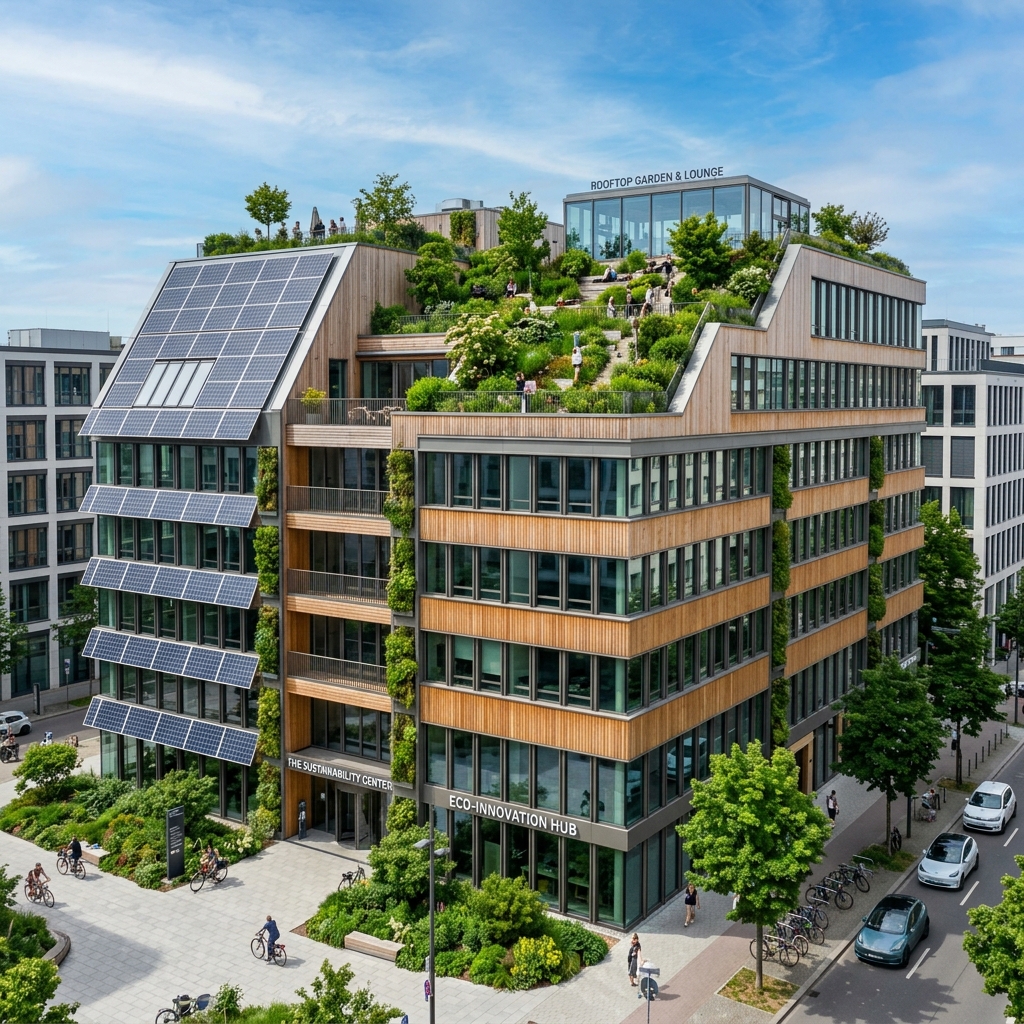
Digital Renovation and the Green Target: Meeting 2026 European ESG Benchmarks Virtually
How digital visualization helps landlords present eco-friendly upgrades (heat pumps, solar, green roofs) to prospective investors.
The Future of AI in Real Estate: Insights from Estonia's Digital Government Model
Explore how government AI initiatives and 100% digital services connect with private sector innovations in virtual staging.

The EU AI Act: What It Means for Virtual Staging Services in Europe
Discuss compliance requirements, risk assessments, and how virtual staging platforms ensure transparent, ethical AI use under new EU regulations.
Ready to transform your real estate listings?
Try Estiq's AI Virtual Staging today and see the difference.
Get Started for Free