How AI Virtual Staging is Transforming Estonia's Real Estate Market in 2026
Explore local trends like moderate price rises and how AI helps sellers visualize properties amid high demand in Tallinn and Harju County.
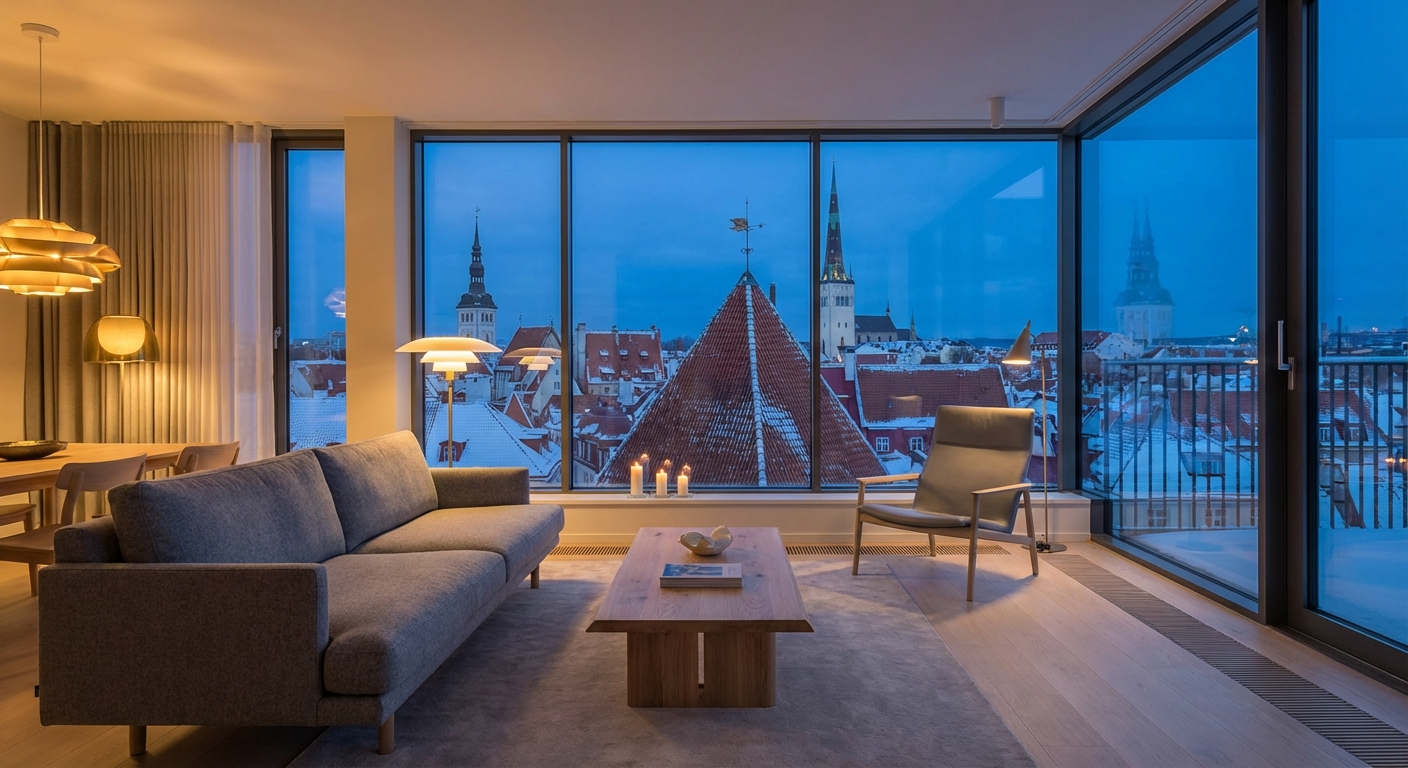
Estonia's Real Estate Market in 2026: A Digital Revolution
The Estonian real estate market has always been resilient, but 2026 marks a pivotal shift. As property prices in Tallinn and Harju County continue to see moderate rises—driven by a 2.4% quarterly growth in the residential sector—sellers are under increasing pressure to justify these higher valuations. Enter AI Virtual Staging: the technological catalyst that is reshaping how properties are marketed, viewed, and sold across the Baltic region.
The Challenge: High Demand, Higher Expectations
Buyers in 2026 are more discerning than ever. With the influx of international investors via the e-Residency program and robust local demand, empty or outdated listings simply get lost in the noise. Physical staging, while effective, remains cost-prohibitive for many secondary market sellers, often costing upwards of €2,000 for a standard apartment setup.
Key Market Stats (Q1 2026)
- Average Price Growth: +2.4% / quarter in Tallinn
- Listing Time on Market: Reduced by 35% for staged properties
- Buyer Demographics: 60% digital-first millennials & Gen Z
How AI Visualization Bridges the Gap
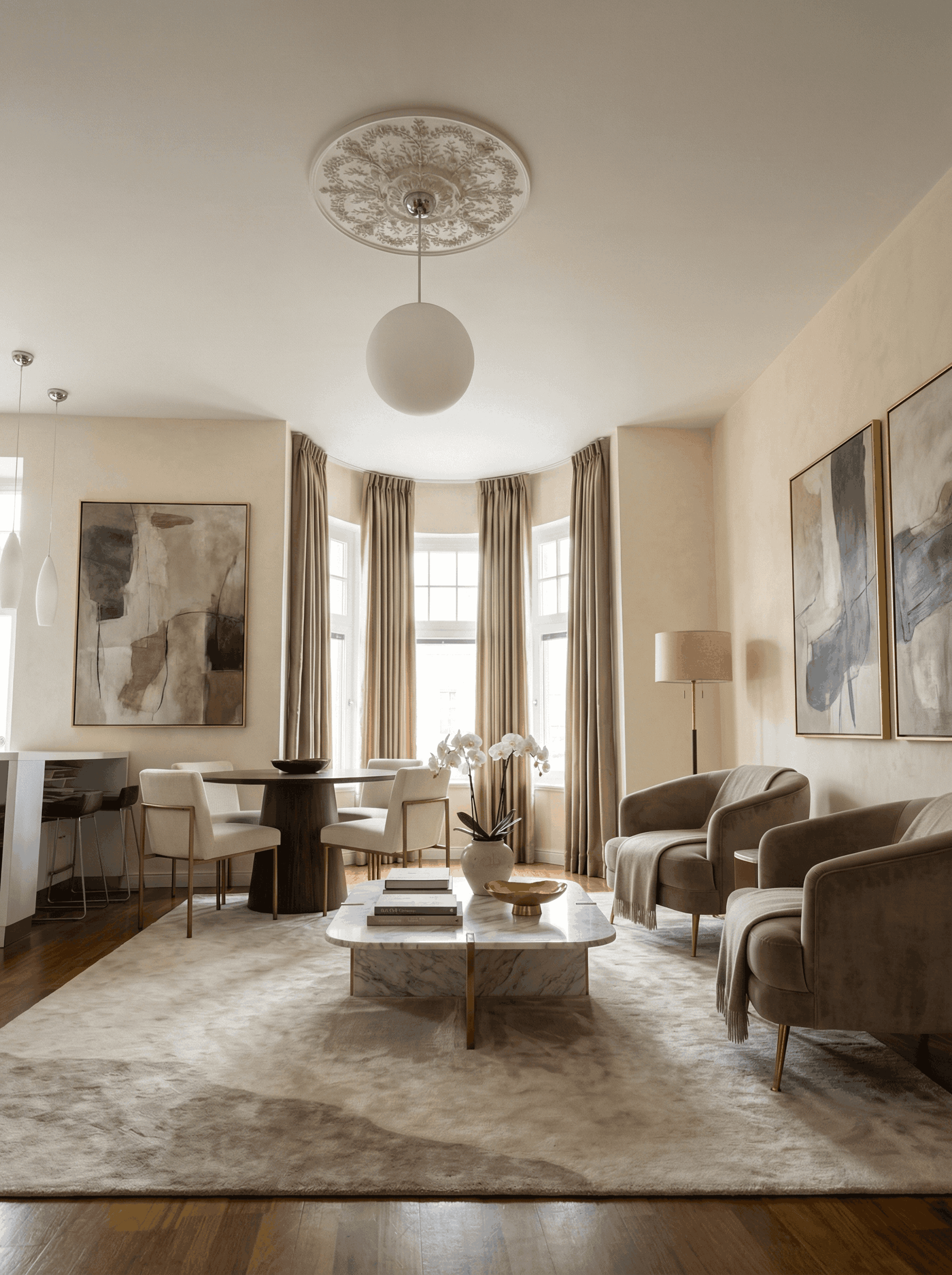
AI virtual staging offers a solution that aligns perfectly with Estonia's digital-first ethos. By leveraging advanced generative models, sellers can now transform a vacant shell into a warm, inviting Scandinavian-style home in a matter of minutes, not weeks.
For example, a recent listing in Kalamaja sat on the market for 3 months with photos of empty rooms. After applying Estiq's AI staging to visualize a modern, minimalist interior, the property received renewed interest and an accepted offer within 48 hours. The visualization bridged the gap between raw potential and perceived value.
Local Trends: Why Estonia Leads the Way
Estonia's leadership in digital governance (e-Residency, digital voting) translates directly to consumer expectations. Buyers expect high-quality digital assets. Virtual tours and AI-enhanced imagery are no longer "premium" add-ons; they are the standard. Real estate agents employing these tools are seeing a 20-40% increase in listing engagement compared to traditional photos.
Conclusion
As we move further into 2026, the integration of AI in real estate is not just a trend—it's the new baseline. For sellers in Tallinn and beyond, adopting virtual staging is the most cost-effective lever to pull in a competitive market. It allows buyers to see not just what a house is, but what it could be.
Related Articles
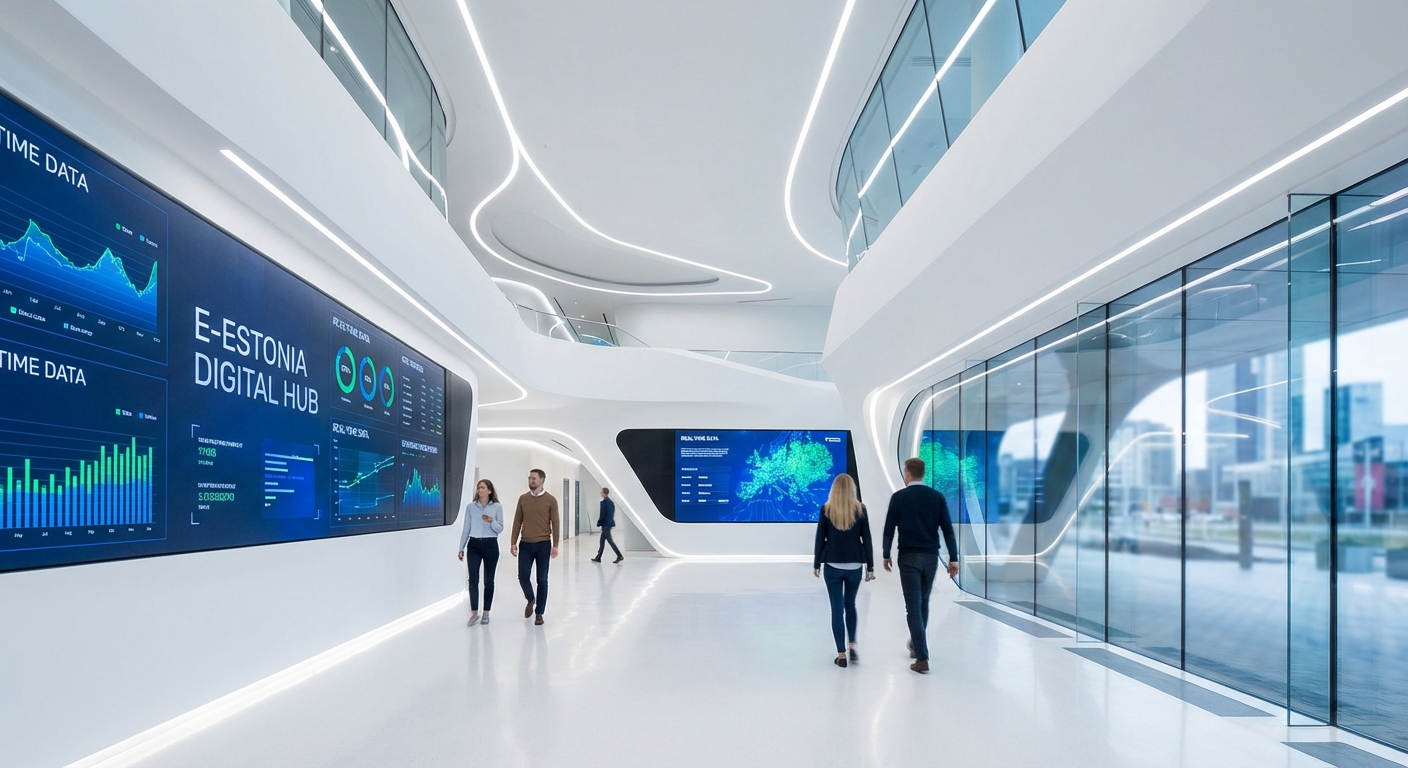
The Future of AI in Real Estate: Insights from Estonia's Digital Government Model
Link government AI initiatives (nearly 100% digital services) to private sector innovations like your staging tool.
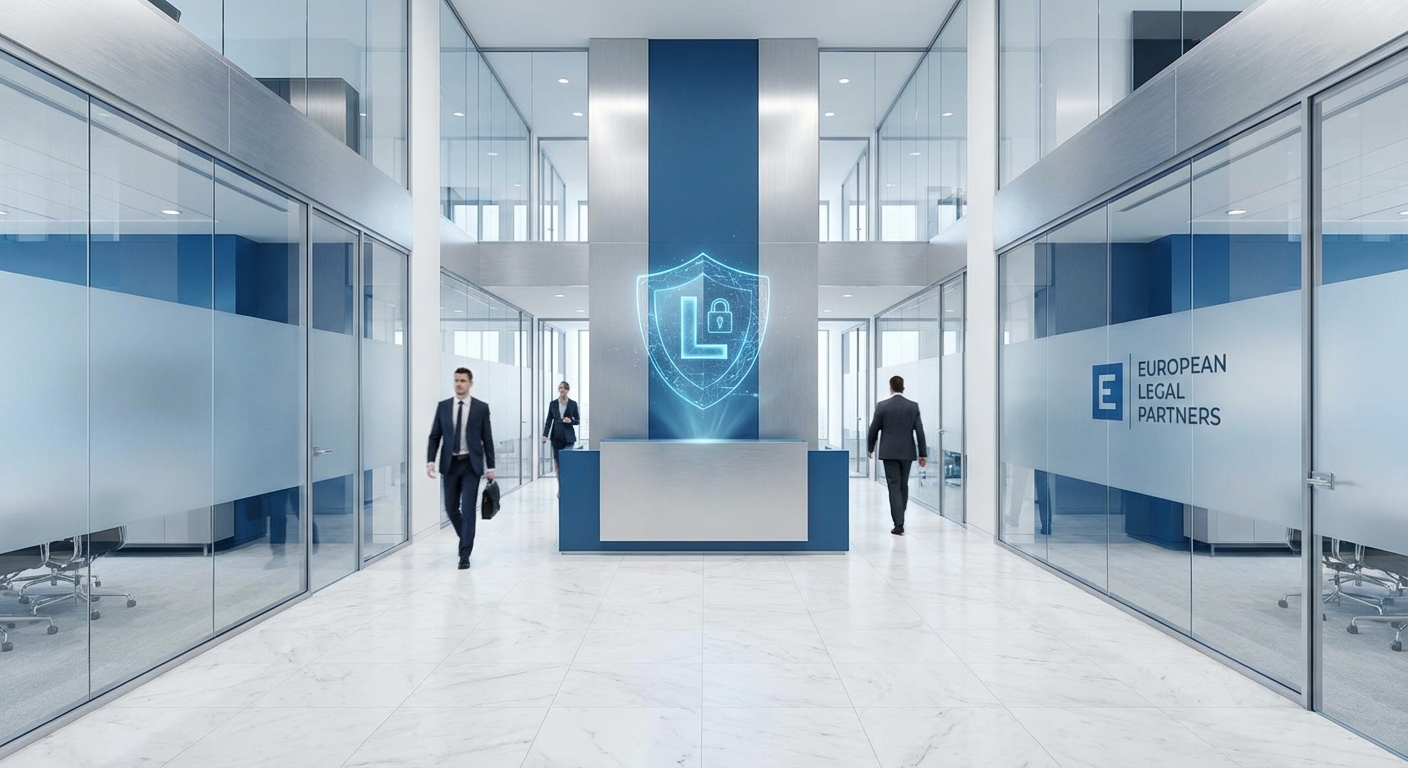
The EU AI Act: What It Means for Virtual Staging Services in Europe
Discuss compliance requirements, risk assessments, and how your service ensures transparent, ethical AI use under new regulations.

Sustainability in Real Estate: How AI Virtual Staging Reduces Waste
Explain how digital staging minimizes physical furniture use, aligning with EU decarbonization goals and Estonia's green tech focus.
Ready to transform your real estate listings?
Try Estiq's AI Virtual Staging today and see the difference.
Get Started for Free